Polishing and Blasting
Instant Reply (whatsapp) +86 137 8230 9705
Polishing and Blasting
Polishing & Blasting are essential surface treatment techniques widely used across industries such as automotive, aerospace, manufacturing, and construction. These processes enhance the finish, functionality, and durability of materials, making them crucial in a variety of applications.
- Polishing refines and smooths surfaces to create a glossy, shiny finish. It is commonly used on metals, glass, plastics, and ceramics to remove imperfections and enhance their appearance. The polishing process is vital for achieving a high-quality, flawless look, especially in luxury goods and high-performance products.
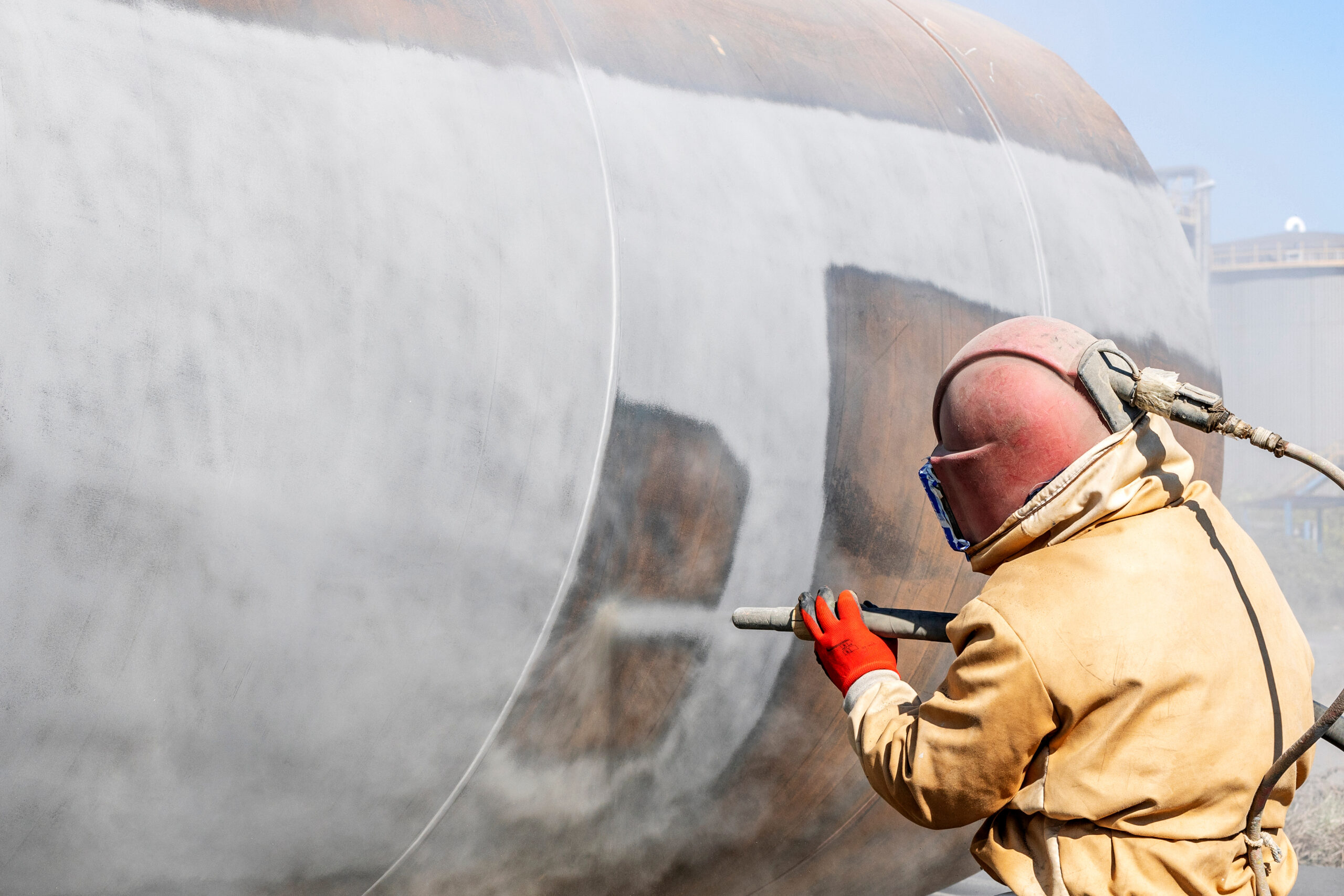
- Blasting, on the other hand, uses abrasives like sand, grit, or other materials to clean, smooth, or etch surfaces. Methods such as sandblasting and shot blasting are particularly effective in removing rust, paint, and contaminants from surfaces, preparing them for further treatment or refinishing.
Common Applications of Polishing & Blasting include:
- Surface Preparation: Both polishing and blasting are used to prepare surfaces for painting, coating, or welding. By creating a clean and smooth foundation, these techniques ensure better adhesion and more reliable results in subsequent processes.
- Restoration & Refinishing: Polishing restores the shine to worn-out surfaces, while blasting removes contaminants and prepares the surface for refinishing, making it ideal for restoring old machinery or equipment.
- Aesthetic Finishes: Polishing adds a glossy, attractive finish to items like jewelry, automotive parts, and high-end consumer goods, making them visually appealing and market-ready.
- Deburring & Cleaning: Blasting is highly effective in removing burrs, sharp edges, and contaminants from industrial parts, ensuring smooth surfaces that meet precision standards.
Both polishing and blasting not only improve the appearance of materials but also their durability and functionality. These processes are crucial in achieving high-quality, long-lasting finishes in various industries.
Key Materials Used: Brown Fused Alumina, White Fused Alumina, Black Silicon Carbide, and Green Silicon Carbide are commonly used in blasting and polishing applications. These abrasives are known for their high durability, sharpness, and ability to withstand the harsh conditions of these surface modification processes

The process for polishing and blasting steps:
Polishing and blasting are processes that involve distinct steps to achieve their respective surface finish goals.
Polishing Process
Blasting Process
After blasting, the surface is cleaned to remove any residual abrasive particles and debris.
Both polishing and blasting require attention to detail and careful control of the process to achieve the desired surface finish and condition.
Examples of polishing and blasting:
Polishing and blasting are versatile processes used across various industries for surface finishing and preparation.
Polishing Examples
Automotive Polishing: Enhancing the appearance of cars by polishing the bodywork to a high gloss, removing scratches, and restoring paintwork.
Metal Fabrication: Polishing metal parts to a mirror finish in manufacturing processes, improving aesthetics, and reducing surface roughness.
Jewelry Making: Polishing precious metals and gemstones to enhance their shine and appeal in jewelry products.
Woodworking: Creating smooth, high-gloss surfaces on wooden furniture or decorative items through careful sanding and polishing.
Dental Polishing: Smoothing and shining teeth or dental prosthetics to improve oral hygiene and cosmetic appearance.
Blasting Examples
Sandblasting for Rust Removal: Removing rust and old paint from metal surfaces, such as car frames or industrial machinery, to prepare for repainting or coating.
Glass Etching: Using abrasive blasting to create frosted or etched designs on glass surfaces for decorative or privacy purposes.
Cleaning Building Facades: Blasting stone or brick surfaces of buildings to clean and restore them without damaging the substrate.
Surface Preparation for Painting: Abrasively cleaning large structures like ships, bridges, and tanks to ensure that new paint adheres properly and lasts longer.
Deburring: Removing excess material (burrs) from machined parts to ensure they fit together precisely and function correctly.
Both polishing and blasting are integral to achieving the desired finish and functionality of various materials and products, demonstrating their importance in industrial and artisanal applications.